

Small construction and renovation projects often rely on scaffolding – but they’re also where shortcuts and oversights are most common. Even minor mistakes can lead to serious safety risks, delays, or added costs.
Here are the 10 most frequent scaffolding issues we see – and exactly how we prevent them.
1. Overloading the Scaffold
The problem
Exceeding weight limits with workers, tools, and materials can cause structural failure.
How we avoid it
We calculate load capacities in advance and clearly label limits on-site. Materials are distributed evenly, and teams are briefed on safe loading practices.
2. Missing or Incomplete Guardrails
The problem
Falls are one of the biggest risks on scaffolding, often due to missing guardrails or toe boards.
How we avoid it
Every platform is fitted with full edge protection, including top rails, mid rails, and toe boards, in line with UK safety standards.
3. Poor Access to Platforms
The problem
Climbing frames or using unsafe access points increases the chance of slips and falls.
How we avoid it
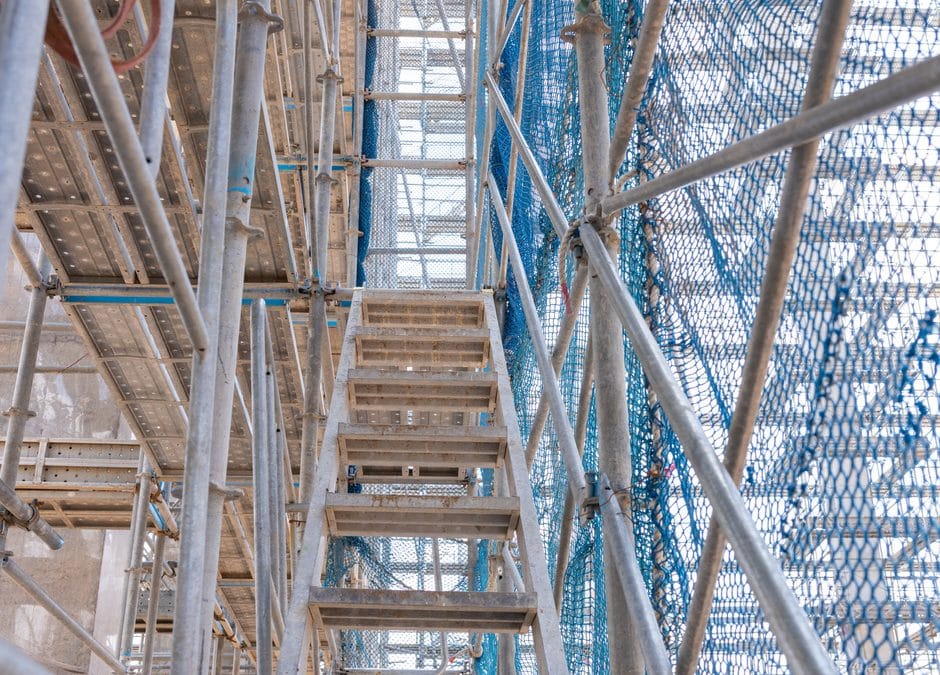
We install proper access systems such as stair towers or secured ladders, ensuring safe and easy movement between levels.
4. Inadequate Foundations
The problem
Unstable or uneven ground can lead to scaffold collapse.
How we avoid it
We assess ground conditions before installation and use base plates, sole boards, or adjustable supports where needed.
5. Ignoring Weather Exposure
The problem
Wind, rain, and ice can weaken structures and create hazardous surfaces.
How we avoid it
We monitor weather conditions closely, reinforce scaffolding when needed, and pause work during unsafe conditions.
6. Improper Assembly
The problem
Incorrectly installed scaffolding compromises structural integrity.
How we avoid it
All scaffolding is erected by trained professionals following manufacturer guidelines and safety regulations.
7. Lack of Regular Inspections
The problem
Damage or wear can go unnoticed, increasing risk over time.
How we avoid it
We carry out routine inspections, especially after adverse weather or changes to the structure.
8. Inadequate Tying and Bracing
The problem
Without proper ties, scaffolding can become unstable or detach from the building.
How we avoid it
We secure scaffolding at regular intervals using appropriate ties and bracing systems.
9. Cluttered Platforms
The problem
Loose materials and tools create trip hazards.
How we avoid it
We enforce clean working platforms and designated storage areas to keep walkways clear.
10. Poor Planning for Small Projects
The problem
Small jobs are often treated casually, leading to overlooked safety steps.
How we avoid it
We apply the same planning standards to every project, regardless of size, ensuring full compliance and safety.
Why Proper Scaffolding Matters
Cutting corners on scaffolding doesn’t save time – it increases risk. A well-designed and properly installed scaffold keeps workers safe, ensures compliance, and helps projects run smoothly.
Related Services
- Learn more about our Scaffolding Services
- Explore our Residential Scaffolding Solutions
- Get a quote for your next Small Project Scaffolding